
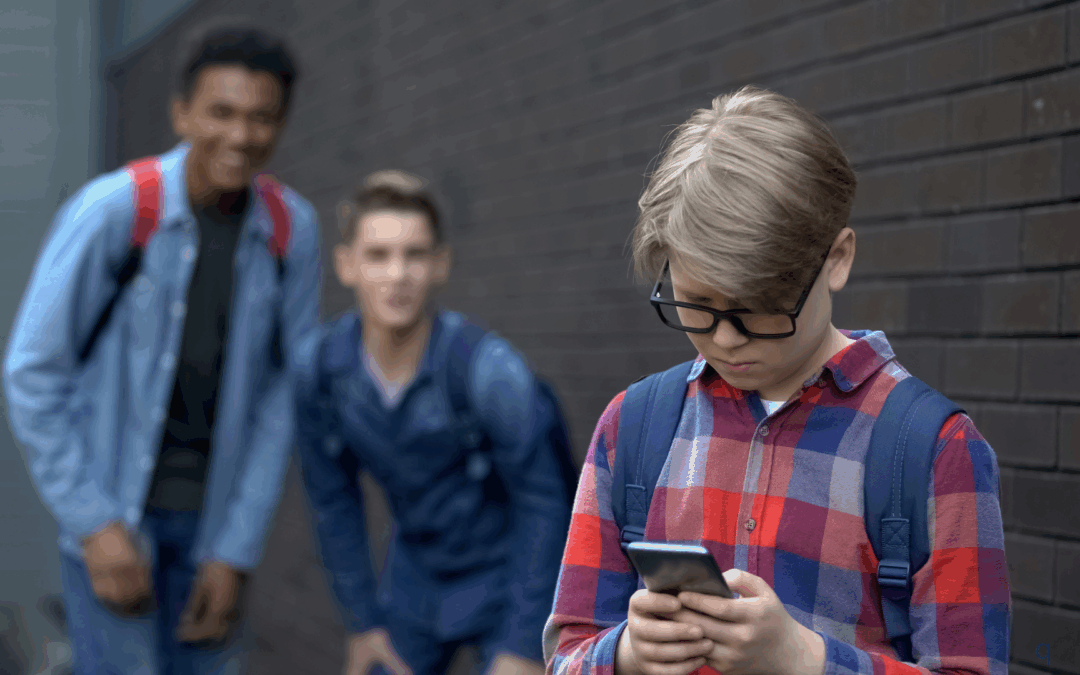
Cyberbullying can shake a child’s confidence, emotional safety, and sense of belonging. For families, it can be heartbreaking to see a child suffer because of
online cruelty, especially when it’s happening on platforms meant to connect and entertain.
At CyberSafely Foundation, we help parents navigate these moments with clarity, empathy, and practical tools. If your child tells you they’re being cyberbullied, your response matters more than you think.
Below is a step-by-step guide to help you support them effectively.
1. Stay Calm, Listen, and Believe Them
The first and most powerful thing you can do is create a safe emotional space.
When a child opens up about cyberbullying, they’re often scared, embarrassed, or worried they’ll get in trouble or lose their devices. A calm, supportive response helps prevent additional stress and keeps communication open.
- Listen without interrupting
- Thank them for trusting you
- Validate their feelings (“I’m sorry this happened. You did the right thing telling me.”)
- Avoid quick reactions like taking away their phone
Your child needs reassurance that you are on their side—without judgment, blame, or panic.
2. Document Everything
Cyberbullying is often unpredictable and spread across different platforms. Keeping clear records ensures you have evidence if the situation escalates.
Save and screenshot:
- Messages
- Comments
- DMs
- Photos
- Usernames
- Timestamps
- Any patterns of repeated behavior
This documentation helps schools, platforms, or even law enforcement take the situation seriously if needed.
Remind your child not to respond to the bully: Silence is often the safest strategy while you gather evidence.
3. Report to Platforms or the School (When Appropriate)
Most social media platforms have built-in tools for reporting harassment, bullying, impersonation, and harmful content. Submitting reports helps remove abusive behavior and protects other kids who may be affected as well.
Depending on where the bullying occurs, you may also:
- Inform your child’s school
- Contact the guidance counselor
- Report threats or severe cases to local authorities
Schools typically have anti-bullying policies and can intervene, especially if the behavior involves classmates or impacts your child’s emotional wellbeing.
You don’t have to solve this alone. There are systems and professionals ready to support you.
4. Encourage Resilience and Seek Support
Cyberbullying affects mental health, confidence, and daily functioning. Supporting your child emotionally is just as important as addressing the digital side.
Help them rebuild strength by:
- Reinforcing their self-worth
- Encouraging offline activities they enjoy
- Staying connected as a family
- Reminding them this situation does not define them
If you notice signs of anxiety, withdrawal, irritability, or declining school performance, consider involving a mental health professional. Early support can make a profound difference.
Encourage your child to talk openly about how they’re feeling, and remind them that what they’re experiencing is not their fault.
How CyberSafely Foundation Helps
Our mission is to empower families with education, tools, and support to navigate online risks, including cyberbullying.
CyberSafely Foundation provides:
- Workshops for parents, students, and schools
- Guidance on digital safety and mental health
- Resources to help families respond to online harm
- Education on recognizing red flags, building resilience, and staying safe
You are not alone. With the right steps, support, and ongoing communication, children can overcome the impact of cyberbullying and regain confidence in their digital and offline lives.